How to Understand the Difference Between Welding Robots and Cobots?

Time:2026-08-21 Author:Oliver
0%

Understanding automation in manufacturing is crucial. The industry is rapidly evolving. According to a recent report by International Federation of Robotics, the global demand for industrial robots reached over 2.7 million units in 2022. This surge includes both welding robots and cobots. However, what is the difference between welding robots and cobots?

Welding robots are designed for high-performance tasks. They excel in speed and precision. These machines operate autonomously and require limited human oversight. In contrast, cobots, or collaborative robots, are meant to work alongside humans. They are user-friendly and designed for safety. They can handle more varied tasks, adapting to different workflows.

Many manufacturers are still unclear about these distinctions. Some underestimate the potential of cobots. A 2021 study indicated that companies using cobots reported a 60% increase in productivity. As automation continues to reshape the industry, understanding these differences is vital for future-ready factories. Familiarity with both types can enhance efficiency and optimize processes.
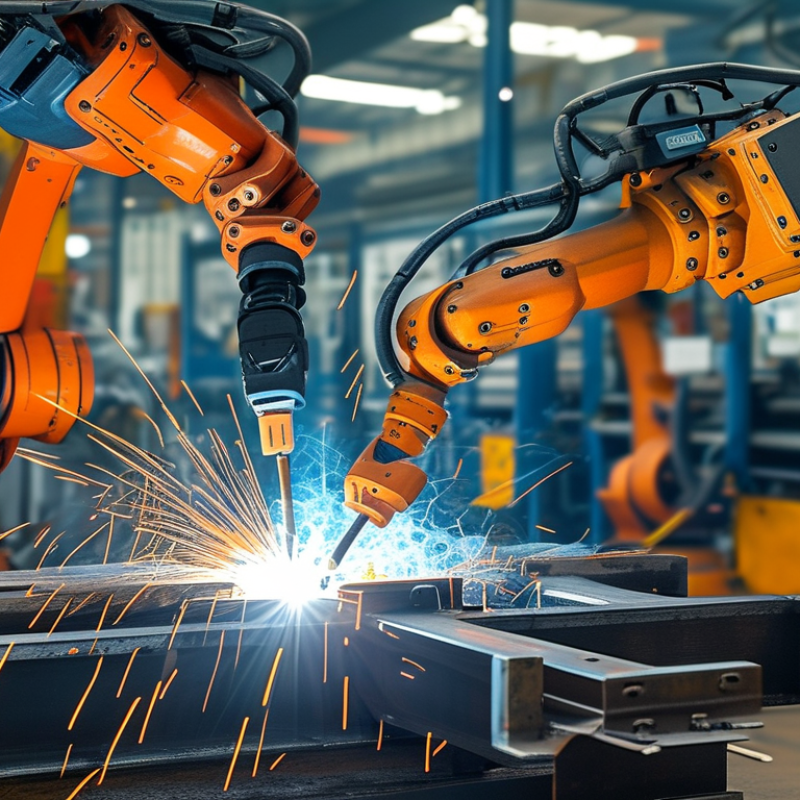
How to Understand the Difference Between Welding Robots and Cobots?

Definition of Welding Robots and Cobots

Welding robots and cobots, or collaborative robots, represent two distinct advances in automation. Welding robots are designed for high-speed, repetitive tasks in industrial settings. They operate independently and are perfect for processes requiring precision and consistency. According to a recent report by the International Federation of Robotics, the use of industrial robots in welding has increased by 38% over the past five years, highlighting their effectiveness in metal fabrication.

Cobots, however, are built for safety and flexibility. They can work alongside human operators, sharing workspaces without the need for extensive safety barriers. A study published by the National Institute of Standards and Technology indicates that integrating cobots can lead to a 20% increase in productivity for small to medium-sized enterprises. These robots are equipped with sensors that allow for real-time adjustments during operation, making them suitable for collaborative projects.

Understanding the nuances between welding robots and cobots can influence manufacturing strategies. Companies looking to enhance efficiency should evaluate their specific needs. While welding robots excel in high-volume tasks, cobots provide adaptability. Adopting the wrong type may hinder production goals. Operators must carefully consider how each type of robot fits into their workflow. Balancing speed and collaboration is crucial for achieving optimal results.

Key Features of Welding Robots

Welding robots play a crucial role in modern manufacturing. Their main function is to automate welding tasks, ensuring precision and speed. Data from industry reports reveal that the global welding robot market is expected to grow significantly, with a projected CAGR of 9.4% through 2026. This growth reflects the increasing adoption of automation to enhance efficiency in production lines.

Key features of welding robots include their programmable nature and ability to maintain consistent quality over time. These robots can perform complex welds with precision. Many are equipped with advanced sensors that allow them to adapt to variations in materials. However, challenges remain in the initial setup and programming phases. Skilled technicians are often required to optimize performance, highlighting the need for ongoing training and development.

In contrast, cobots, or collaborative robots, are designed to work alongside humans. Their safety features allow effective collaboration, but they generally lack the speed and precision of traditional welding robots. Companies must weigh these differences carefully. Ultimately, the choice between welding robots and cobots hinges on specific operational needs and workforce capabilities.

Key Features of Cobots

Cobots, or collaborative robots, are increasingly important in modern manufacturing. Unlike traditional welding robots, which operate independently, cobots are designed to work alongside human operators. They enhance productivity while ensuring safety. According to a recent report from the International Federation of Robotics, the global market for cobots is projected to reach $12 billion by 2025, highlighting their growing significance in various sectors.

Key features of cobots include their flexibility and ease of use. Many cobots can be programmed with little to no prior coding experience. This adaptability allows industries to shift production lines quickly. Furthermore, cobots use sensors to detect human presence, ensuring a safe working environment. A study by McKinsey found that 60% of jobs have at least 30% activities that could be automated. Cobots capitalize on this potential while minimizing disruption to existing workflows.

However, challenges remain. Integrating cobots into established processes can be complex. Workers may require training to collaborate effectively with these machines. Additionally, the reliance on technology raises concerns about potential job displacement. As the industry evolves, companies must consider these aspects to fully benefit from collaborative robotic systems. Nonetheless, the potential for increased efficiency is undeniable, and cobots will likely play a crucial role in future manufacturing landscapes.

How to Understand the Difference Between Welding Robots and Cobots?

This bar chart compares the key features of Welding Robots and Cobots. The percentage represents their effectiveness in performing various tasks, with Welding Robots rated at 85% and Cobots at 70%.

Differences in Applications between Welding Robots and Cobots

Welding robots and cobots (collaborative robots) serve different roles in manufacturing. Welding robots are designed for high-volume production. They excel in precision and speed. In environments where repetitive tasks occur, these robots shine. According to the International Federation of Robotics, welding robots account for over 25% of all industrial robot installations globally.

Cobots, on the other hand, focus on assisting human workers. They work alongside people without the need for safety cages. This design encourages collaboration, especially in small-scale operations. Reports from the Robotics Industry Association indicate that cobots are rapidly growing in various sectors. Their application ranges from light assembly to quality inspection, reflecting their versatility.

Both types of robots require careful consideration in terms of application. While welding robots operate in harsh conditions, cobots adapt to more variable environments. Decisions on which robot to use can affect not just productivity but also worker safety and efficiency. Balancing automation with human involvement remains a challenge. Understanding the distinctions helps companies better allocate resources and integrate technology into their operations.

Safety Considerations for Users of Welding Robots vs. Cobots

Welding robots and cobots are vital to modern manufacturing. Their safety protocols significantly differ. Understanding these differences is crucial for users.

Welding robots operate in dedicated cells. These cells often have safety barriers. According to a 2022 study by the International Federation of Robotics, automated welding systems have a lower injury rate—about 50% less than manual welding. Yet, these robots can still pose risks. Movements are swift and heavy, which can lead to accidents if safety measures fail. Regular maintenance is essential to ensure all safety features function correctly.

Cobots, or collaborative robots, work alongside humans. They are designed with safety in mind. For instance, they can halt immediately upon contact with a person. A report from the Robotics Industry Association noted a 30% decrease in workplace injury rates when cobots are implemented. However, users must still maintain vigilance, as reliance on technology can create complacency. Proper training on cobot operation remains critical. Each robot type has its strengths and weaknesses, and these factors must be considered in safety planning.

How to Understand the Difference Between Welding Robots and Cobots? - Safety Considerations for Users of Welding Robots vs. Cobots

Feature Welding Robots Cobots
Design Purpose Automating welding processes in industrial environments Collaborating with human workers to assist in tasks
Safety Features Safety cages or barriers required Integrated safety systems; safe to operate around humans
Programming Complexity Typically requires advanced programming skills User-friendly interfaces; easier to program
Flexibility Limited flexibility; ideal for repetitive tasks Highly flexible; adaptable to various tasks
Cost Generally higher initial cost Lower initial cost and operational cost
Training Requirements Extensive training needed for operators Minimal training required; accessible to non-experts

FAQS

: What are welding robots designed for?

: Welding robots are built for high-speed, repetitive tasks in industrial settings, ensuring precision and consistency.

How do cobots differ from traditional welding robots?

Cobots are designed to work alongside human operators, enhancing safety and flexibility without extensive barriers.

What productivity increase can cobots provide?

Integrating cobots can lead to a 20% productivity increase for small and medium-sized enterprises.

What key features do cobots offer?

Cobots provide flexibility, ease of use, and sensors for detecting human presence, ensuring a safe environment.

What challenge do companies face when integrating cobots?

Integrating cobots can be complex, and workers may need training to work effectively with these machines.

What potential job concerns arise with cobots?

The reliance on cobots may raise concerns about job displacement in certain roles and industries.

How can companies evaluate their robotic needs?

Companies should assess their specific manufacturing goals to determine whether welding robots or cobots best fit.

What must operators consider when choosing a robot type?

Operators need to balance speed and collaboration to avoid hindering their production goals.

What does the future hold for cobots in manufacturing?

Cobots are likely to play a crucial role in future manufacturing, enhancing efficiency and workflow adaptability.

Is prior coding knowledge needed to program cobots?

Many cobots can be programmed with little to no coding experience, making them user-friendly for various industries.

Conclusion

In exploring what is the difference between welding robots and cobots, it is essential to understand their definitions and key features. Welding robots are automatons designed for high-volume production and precision welding tasks, often operating in isolated environments for maximum safety and efficiency. In contrast, collaborative robots, or cobots, are built to work alongside humans, featuring advanced sensors and safety mechanisms that allow for shared workspace applications.

The differences extend beyond their definitions to their applications and safety considerations. Welding robots excel in repetitive and high-speed tasks, making them ideal for industrial settings. Cobots, however, are versatile and adaptable, designed for use in environments where human interaction is necessary. This necessitates a focus on safety measures, with cobots often incorporating technology that minimizes risks to human operators. Understanding these distinctions can help businesses make informed decisions about which technology to implement for their specific needs.

Oliver

Oliver

Oliver is a seasoned marketing professional with a wealth of expertise in driving brand awareness and engagement. With a deep understanding of our company's product offerings, he consistently delivers high-quality content that enriches our professional blog. His insights not only shed light on......