Robotic welding arms significantly enhance manufacturing efficiency. Their ability to operate continuously raises a crucial question: can robotic welding arms work continuously? This capability is driven by advanced technologies and meticulous engineering.
These robotic systems utilize powerful motors and sophisticated software to perform welding tasks with high precision. Unlike human welders, they do not experience fatigue. Their design allows them to maintain consistency, reducing the risk of errors. However, there are still challenges to address. Regular maintenance is essential to ensure reliability. Components can wear out, impacting performance over time.
Moreover, the integration of AI and machine learning plays a vital role. These features enable robots to adapt to various welding conditions. Yet, the technology is not infallible. Factors such as power supply interruptions or software glitches can disrupt operations. Understanding these limitations is crucial for optimizing the continuous performance of robotic welding arms.
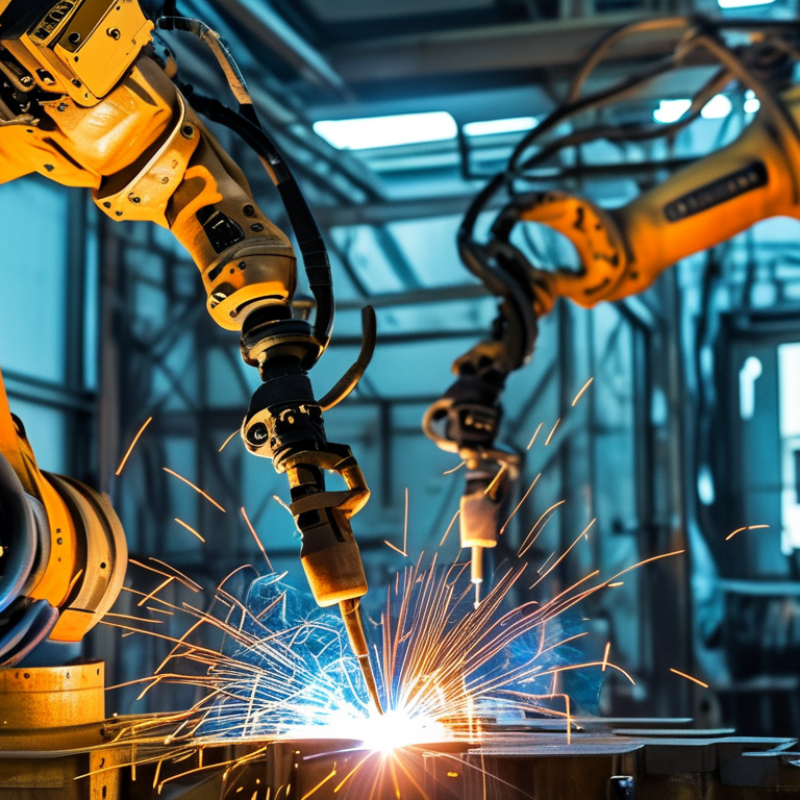
Robotic welding arms are engineered for continuous operation. Their design incorporates advanced mechanisms that enhance efficiency. One key factor is the use of durable materials in construction. High-strength alloys withstand the thermal stress from welding. This allows the arms to function for longer periods without failure.
Another mechanism is the integration of cooling systems. These systems help maintain optimal temperatures during prolonged use. Effective heat dissipation ensures that components do not overheat. As a result, robotic arms can operate around the clock, significantly increasing production rates.
Consider regular maintenance to enhance performance. Scheduled checks can identify wear before it leads to failure. Ensure that all sensors and motors are functioning correctly. A well-maintained robotic arm maintains higher efficiency and reliability. Regular updates on software can also improve functionality.
Robotic welding arms are designed for continuous operation, which is crucial for enhancing productivity in various industries. One key feature is their ability to withstand high temperatures. Advanced materials are used in their construction, allowing them to operate efficiently even in extreme heat. This durability reduces the risk of overheating and ensures a consistent welding process.
Another essential aspect is the integrated sensor technology. These sensors monitor real-time data, detecting any irregularities during the welding operation. They can adjust parameters instantly, maintaining welding quality. This adaptation is vital for keeping the operation seamless, though it may still require human oversight for complex tasks.
Additionally, the programming of robotic arms plays a significant role in their efficiency. Predefined welding paths ensure precision. However, this can lead to challenges when unique tasks arise. It’s essential to regularly update and refine these programs to improve responsiveness. Over time, the collaboration of humans and robotics can lead to better results, though it may involve trial and error along the way.
| Feature | Description | Impact on Continuous Operation |
|---|---|---|
| High Durability Materials | Welding arms are constructed from materials capable of withstanding high temperatures and wear. | Minimizes downtime due to wear-related failures. |
| Advanced Cooling Systems | Integrated cooling systems reduce overheating during prolonged operation. | Allows for longer operational periods without interruptions. |
| Robust Software Algorithms | Intelligent control software optimizes the welding process. | Enhances efficiency and reduces the likelihood of errors. |
| Quick Change Fixtures | Fixtures that allow rapid adjustments for different tasks. | Reduces downtime during switching between projects. |
| Self-Diagnostics | Built-in diagnostics to monitor health and performance. | Proactively addresses issues before they lead to breakdowns. |
Robotic welding arms are transforming the manufacturing landscape. Automation in welding brings numerous advantages. According to a report by the International Federation of Robotics, the deployment of industrial robots increased by 12% in 2020 alone. This growth highlights a shift towards efficiency and accuracy in welding processes.
One significant advantage is consistency. Automated systems perform welding tasks with precision, reducing the risk of human error. Inconsistent welds can lead to structural failures. A 2021 study by the Welding Journal found that automated welding reduced defect rates by up to 30%. Additionally, automation allows for continuous operation. Robots can work around the clock, increasing production rates without sacrificing quality.
Implementing robotic welding isn’t without challenges. Companies must invest in training and maintenance. This transition can require substantial upfront costs, but the long-term savings in labor and material costs often justify the investment. It is essential for manufacturers to evaluate their needs carefully. It’s critical to find a balance between automation and skilled labor for optimum results.
Welding automation can drastically improve production efficiency. However, continuous monitoring is necessary. Companies must invest in skilled technicians to oversee operations. This approach ensures high-quality outputs while allowing for necessary adjustments to maintain workflow. In the long run, both the technology and human oversight are vital for success in the welding industry.
Robotic welding arms have revolutionized the manufacturing landscape. Their ability to operate continuously enhances efficiency. With minimal downtime, these machines can work around the clock. This constant operation means that production rates can soar. For example, a single robotic arm can complete thousands of welds in a day. Human workers, in contrast, require breaks and can become fatigued.
The impact on manufacturing efficiency is clear. Continuous operation reduces the time needed to meet production targets. It also decreases overall labor costs. However, there are challenges to consider. Regular maintenance is necessary to prevent breakdowns. Lack of maintenance can lead to costly delays. Operators must also ensure proper programming for optimal performance.
High output is appealing, but quality must not be sacrificed. There are instances where rushed production leads to defects. Companies must strive for balance. Continuous operation and quality control should go hand in hand. In pursuit of efficiency, reflections on human oversight remain important. Each weld must be checked, ensuring standards are met. Ultimately, the integration of robotic technology is a journey, not a destination.
The future of robotic welding technology is bright and full of potential. Innovations are on the horizon, promising to enhance productivity and precision. Researchers are exploring advanced sensors and artificial intelligence to improve decision-making. This could lead to robots that learn from their environments and adapt in real-time. Such adaptations can increase efficiency and reduce errors, making welding jobs faster.
Integration of collaborative robots is another exciting development. These machines can work alongside human welders, sharing tasks without being isolated in safety cages. This partnership can foster improved workflows and help boost productivity. However, there are challenges. Ensuring seamless communication between humans and robots is crucial. Miscommunication can lead to accidents or inefficiencies, which requires ongoing research and adjustment.
Additionally, the ethical implications of AI in welding cannot be overlooked. Automation can displace workers, and addressing this issue is essential. Balancing technological advancement with job security is a topic that warrants reflection. The path ahead is promising but comes with responsibilities that must be managed carefully. The conversation about the role of robotics in welding will continue to evolve, shaping the industry for years to come.
: Durable high-strength alloys are commonly used. They withstand thermal stress from welding effectively.
Cooling systems maintain optimal temperatures. They prevent overheating during continuous operation and enhance durability.
Scheduled maintenance helps identify wear and prevent failures. This ensures higher efficiency and reliability in performance.
Continuous operation reduces downtime and increases production rates. A single robotic arm can perform thousands of welds daily.
Maintaining quality is crucial. Rushed production can lead to defects, requiring careful oversight and checks on each weld.
Innovations include advanced sensors and AI. These can improve decision-making and adaptability, increasing efficiency and reducing errors.
Collaborative robots can work alongside human welders. They improve workflows, but clear communication is essential to avoid mistakes.
Automation can lead to job displacement. Balancing technological progress with job security is vital for the industry's future.
No, neglecting maintenance can lead to costly breakdowns. Regular checks are necessary to maintain optimal performance.
Companies must check each weld for standards. Balancing output with thorough inspections is key to quality control.
Robotic welding arms can operate continuously due to their sophisticated mechanisms and key features that enhance efficiency. These advanced systems include real-time monitoring, precise control algorithms, and robust materials that withstand repetitive stress. By automating the welding process, manufacturers can achieve significant advantages, such as reduced labor costs, consistent quality, and increased productivity.
The continuous operation of these robotic systems has a profound impact on manufacturing efficiency, allowing for higher throughput and minimized downtime. As technology evolves, future developments in robotic welding are expected to further optimize performance and adaptability in various industrial applications. Consequently, understanding how robotic welding arms can work continuously not only sheds light on their current capabilities but also highlights their potential for revolutionizing the manufacturing landscape.

Sandai Robot